
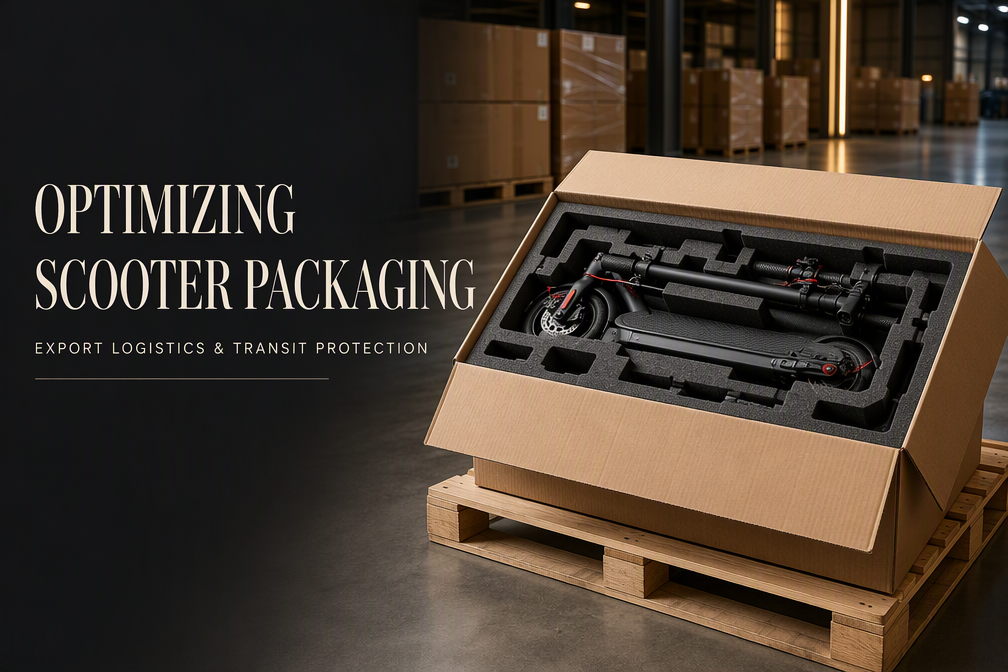
Importing electric scooters from China requires careful consideration of packaging options to protect your products during transit while meeting logistics standards. Common choices like single-box or palletized packaging may seem straightforward, but nuances around protection, branding, and regulatory compliance can make the decision complex. Let’s explore effective strategies to optimize your packaging and avoid costly pitfalls.
There are several options for packaging electric scooters from China — ranging from simple single boxes to customized foam-insulated solutions. To select the best option, evaluate transit risks, compliance standards, and cost implications. Requesting supplier-specific customizations can ensure proper protection while maximizing efficiency and brand visibility.
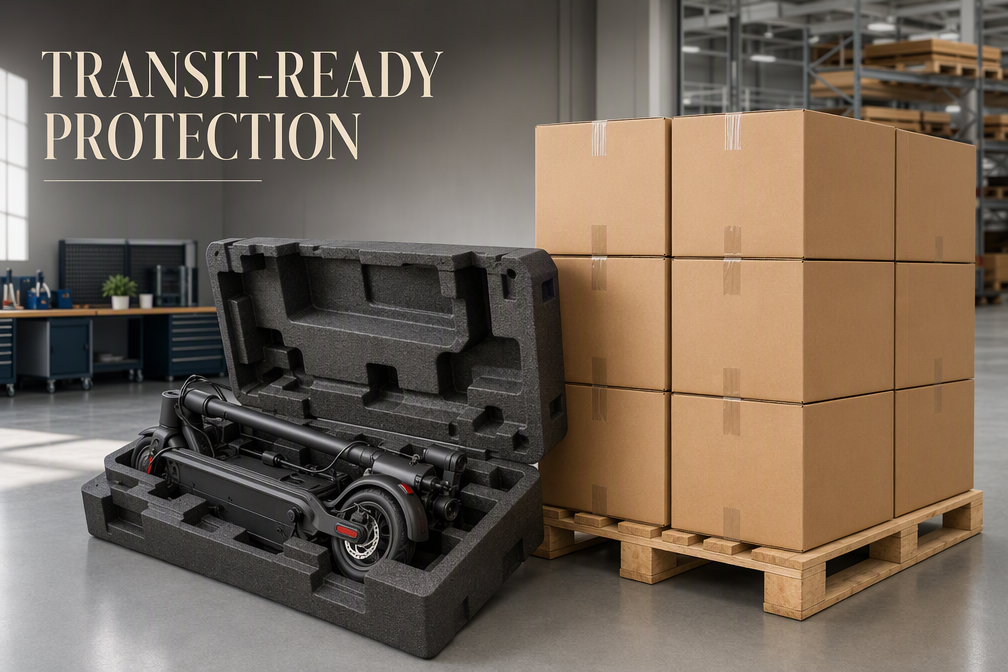
Packaging is more than just a box. Let’s dive deeper into common options, critical considerations, and ways to make informed choices.
What types of packaging are commonly used for Electric Scooters in China?
Packaging decisions are often underestimated by buyers focused on cost or relying on default supplier solutions. Choosing appropriate packaging could mean the difference between a smooth delivery and damaged goods post-arrival.
Common packaging solutions explained
The usual packaging methods for electric scooters imported from China include:
-
Single-box packaging: Each scooter is individually packed in cardboard boxes.
- Advantages: Compact design, easier handling; typically used for full container loads (FCL).
- Disadvantages: May lack robust protection for heavier scooters and long transit distances.
-
Palletized packaging: Scooters are grouped onto pallets and secured with wraps for shipment.
- Advantages: Ideal for less-than-container-load (LCL) shipments; simplifies storage and transit.
- Disadvantages: Adds extra costs for pallets and wrapping materials.
-
Customized packaging:
- Includes supplier-adapted packaging like high-density foam inserts, branded external designs, or reinforced edge protection.
- Reduces damage risk better than generic foam or padding solutions.
Key considerations:
- Fragility and weight of your scooter model.
- Shipping route conditions (e.g., longer transit increases rough handling).
- Supplier packaging standards — often basic unless customization is requested.
Selecting packaging to protect goods during transit
Effective packaging shields your scooters from potential damage during handling, loading, and transit. Prioritize solutions with full-wrap protection for fragile components like battery packs, motors, and controls. DriveTron, for example, uses custom high-density foam to fully enclose scooters, minimizing movement and reducing secondary damage risks during transit.
Actionable tips:
- Request samples of packaging materials before committing to a supplier.
- Evaluate cushioning solutions for scooter-specific vulnerabilities (e.g., rear suspension or handlebars).
- Avoid scattered pearl cotton commonly offered as padding; it often results in incomplete coverage leading to risks during secondary transport.
Can I request customized packaging with my branding?
Yes, many suppliers in China offer the option of customized packaging tailored to meet your business needs. This opens opportunities to protect goods while promoting your brand.
Benefits of customized packaging
Brand-specific packaging adds value beyond protection:
- Branding visibility: External designs showcase your logo for greater recognition.
- Enhanced protection: Supplier customization ensures packaging optimally fits scooter dimensions and reduces damage risk.
- Logistical efficiency: Tailored packaging can standardize sizes, making storage and stacking more efficient.
DriveTron packaging uses as an example:
At DriveTron, we provide custom high-density foam packaging, fully enclosing scooters and reducing size compared to traditional bulky setups. This not only offers better protection but also reduces per-unit shipping costs, giving brands cost-effective solutions.
| Consider the following when requesting branding: | Element | Customization Details | Example Notes |
|---|---|---|---|
| Outer Boxes | Printed with company name/logo | Ideal for retail-ready models. | |
| Foam Inserts | Tailored to scooter dimensions | Reduces internal transport risks. | |
| Size Optimization | Minimizing outer packaging bulk | Lower freight charges per unit. |
What packaging options best meet import and environmental regulations?
Import requirements and sustainability concerns are key factors in modern logistics and packaging strategies. It’s essential to avoid disruptions while keeping operations eco-friendly.
Compliance with regulations
Electric scooter packaging must balance:
- Durability: Packaging must ensure scooters arrive without damage, meeting local standards for product claims.
- Shipping regulations: Particularly for lithium batteries, requiring hazardous material labeling and certifications.
- Recyclability: Importers in regions like the EU or Australia emphasize eco-friendly packaging to meet stricter environmental codes.
Meeting environmental needs efficiently
DriveTron has optimized packaging designs to keep compliance seamless:
- Reduced foam waste: High-density foam minimizes material usage, reducing bulk and wrapper layers.
- Recyclable cartons: Paper-based outer boxes help meet sustainability goals.
Steps to ensure regulatory readiness:
- Ask suppliers about certifications: Verify packaging materials comply with local environmental directives.
- Choose recyclable or reusable options: Packaging that doubles as storage makes lasting impressions.
- Pre-check import requirements per region: Lithium-ion compliance, marking, and shipping labels vary globally.
Conclusion
Selecting the right packaging for electric scooters imported from China involves evaluating product safety, logistics compatibility, and regulatory standards. DriveTron’s customized high-density foam designs exemplify how smarter packaging reduces risk, cost, and environmental impact while offering great branding opportunities.
If you’re ready to optimize your packaging strategy for electric scooters, I’m happy to help. Whether you need tailored protection, branding advice, or regulatory insights — feel free to reach out! Let’s protect your products and make every shipment hassle-free.
Frequently Asked Questions
What’s the difference between LCL and FCL packaging solutions for scooters?
Single-box packaging is generally used for full container loads (FCL), allowing tightly packed scooters. Palletized solutions are preferred for less-than-container-load (LCL) shipments, simplifying group transit but adding costs for pallet materials.
Can I completely avoid foam packaging for electric scooters?
Foam inserts are critical for protecting fragile scooter components like batteries and controls. However, using recyclable or optimized foam can reduce the environmental impact while offering robust protection.
Are packaging customizations expensive to request?
Customizations like branding or optimized foam can cost slightly more upfront but save costs through reduced bulk, efficient stacking, and fewer damages during transit.
How does DriveTron differ in its protective packaging?
DriveTron uses high-density foam full enclosures to prevent damage during transit, reducing secondary impacts like box tearing or product movement. We also emphasize size reduction, minimizing shipping costs.
Leave a Reply