
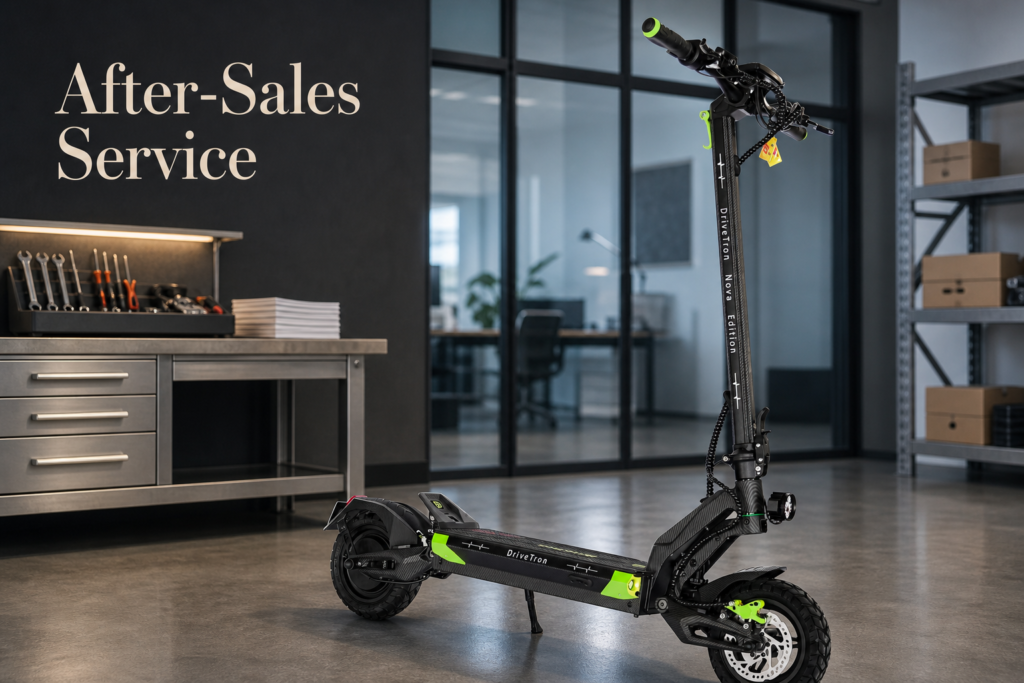
Understanding the scope of after-sales service for electric scooters from China is crucial for importers, especially those aiming to build their brand reputation overseas. Chinese suppliers often include spare parts, warranty terms, and technical resources in service packages, but managing local repair networks is key for long-term customer satisfaction.
Chinese suppliers typically offer spare parts, limited warranties, and online support guides as part of their after-sales service packages. However, buyers must carefully review coverage details, anticipate costs for extended support, and establish local repair solutions to ensure effective care for their customers.
To truly benefit from these services, importers need to understand what's commonly offered, verify warranty terms, plan defect management, and prepare for spare parts procurement. Let’s break down how to evaluate and optimize these essential components.
What Types of Support Are Typically Offered by Chinese Suppliers After Purchase?
After-sales service policies vary widely. Let’s explore common offerings.
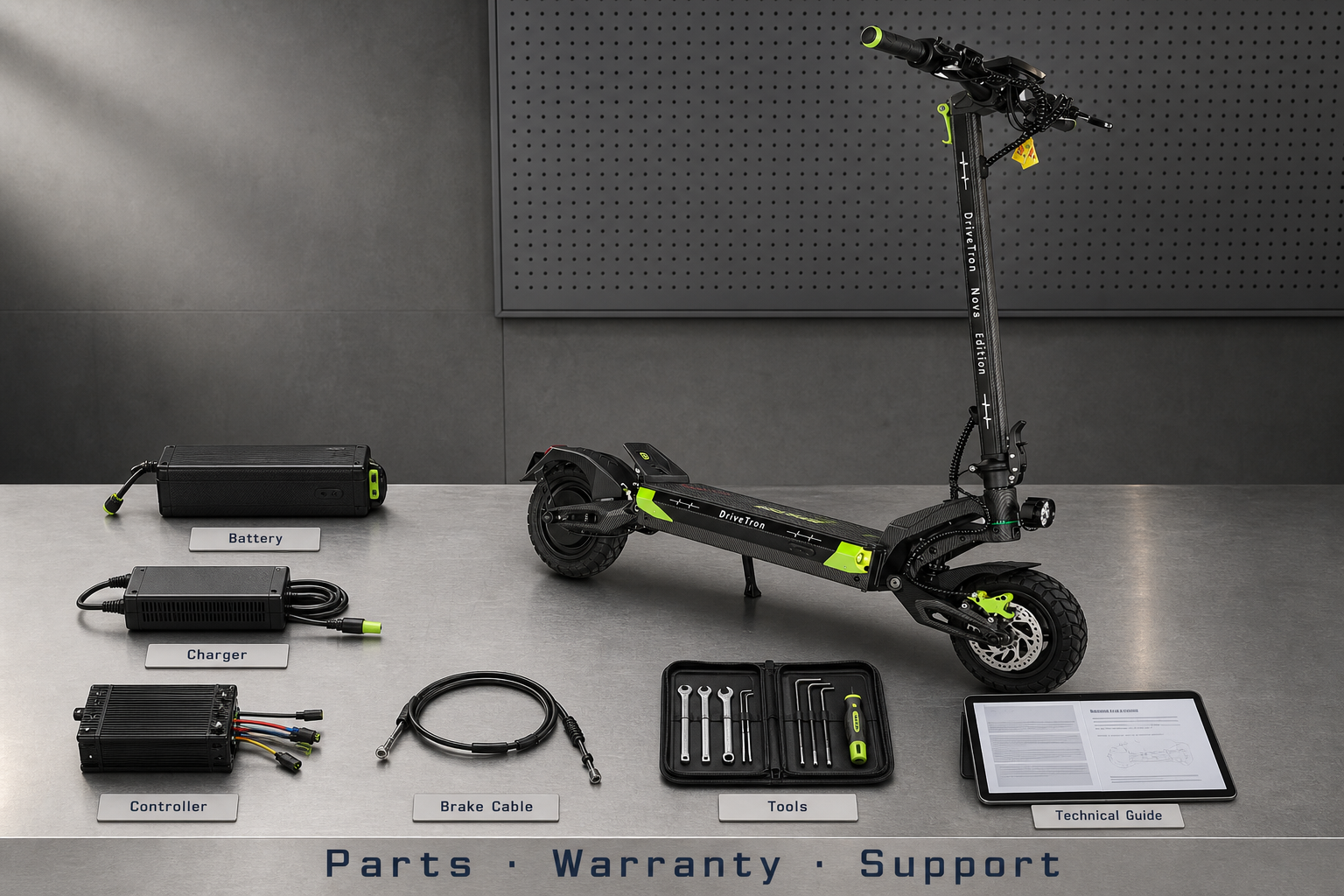
Most Chinese suppliers provide buyers with basic after-sales support, including spare parts kits bom for choose to buy, warranty coverage, and user manuals with troubleshooting tips. Online assistance, like video tutorials, is also becoming standard.
Core Elements of Service:
- Spare parts avaialable to choose to buy for quick local repairs (e.g., batteries, controllers, brake cables).
- Warranty durations often ranging from 6–12 months for critical components.
- Remote technical support via email or online messaging platforms.
Dive Deeper: Typical After-Sales Service Add-Ons
While many buyers assume after-sales support is comprehensive, manufacturers’ service often falls short in handling advanced repairs or high-cost replacements. Suppliers may charge extra for:
- Extended warranties: Coverage for additional months or years on expensive components.
- Major technical repairs: For non-standard issues like water-damaged controllers or overheated batteries.
- On-site servicing: If buyers lack technical expertise locally, manufacturers often redirect repair requests to third-party services.
To bridge these gaps, buyers should negotiate clear agreements upfront and actively build their service capacity.
How Can I Confirm the Warranty Terms and Service Coverage?
Warranty terms are critical when evaluating a supplier’s offer. Incomplete or vague details lead to frequent disputes.
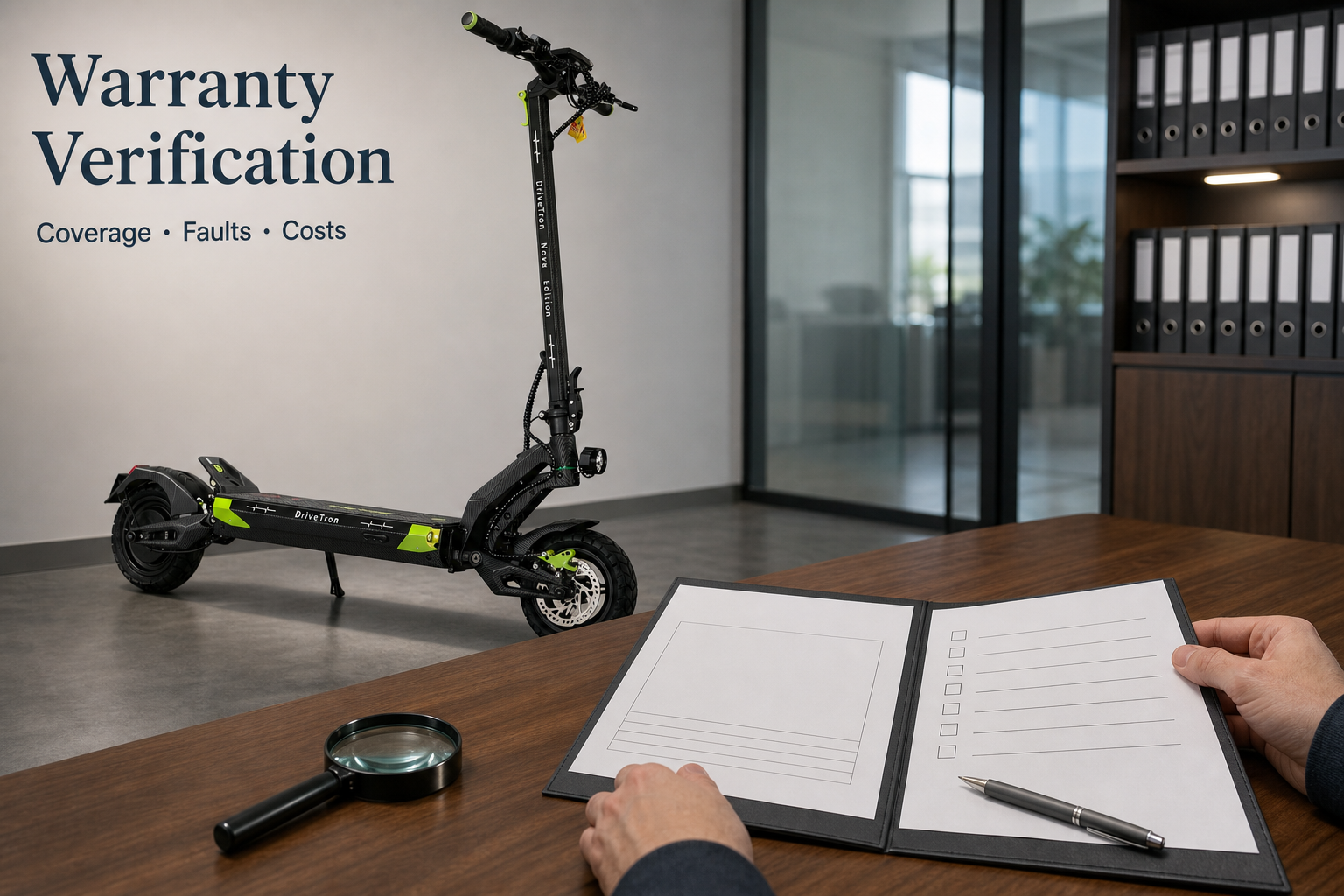
The first step is to request a written warranty contract specifying covered components, duration, and process limitations. Ensure you review exclusions—for example, most warranties don’t cover user-induced damages like overcharging batteries or misusing the throttle.
Key Details to Confirm:
- Duration: What are the exact coverage periods for each part?
- Fault Classification: Are manufacturing defects covered or only critical performance failures?
- Replacement Costs: Is labor covered, or just spare parts?
Dive Deeper: Negotiating Better Terms
Buyers can improve warranty coverage by:
- Requesting high-failure part replacements: Batteries and controllers are common failure points.
- Securing detailed RMA instructions: This ensures streamlined returns and replacements.
- Avoiding ambiguous exclusions: Demand clearly defined "non-covered" scenarios for clarity.
Negotiating these points upfront reduces disputes and protects your brand’s reputation.
What Is the Process for Handling Defects or Returns?
Issues like defective batteries or motor units can easily arise after purchase. Knowing how defects are managed is essential for smooth operations.
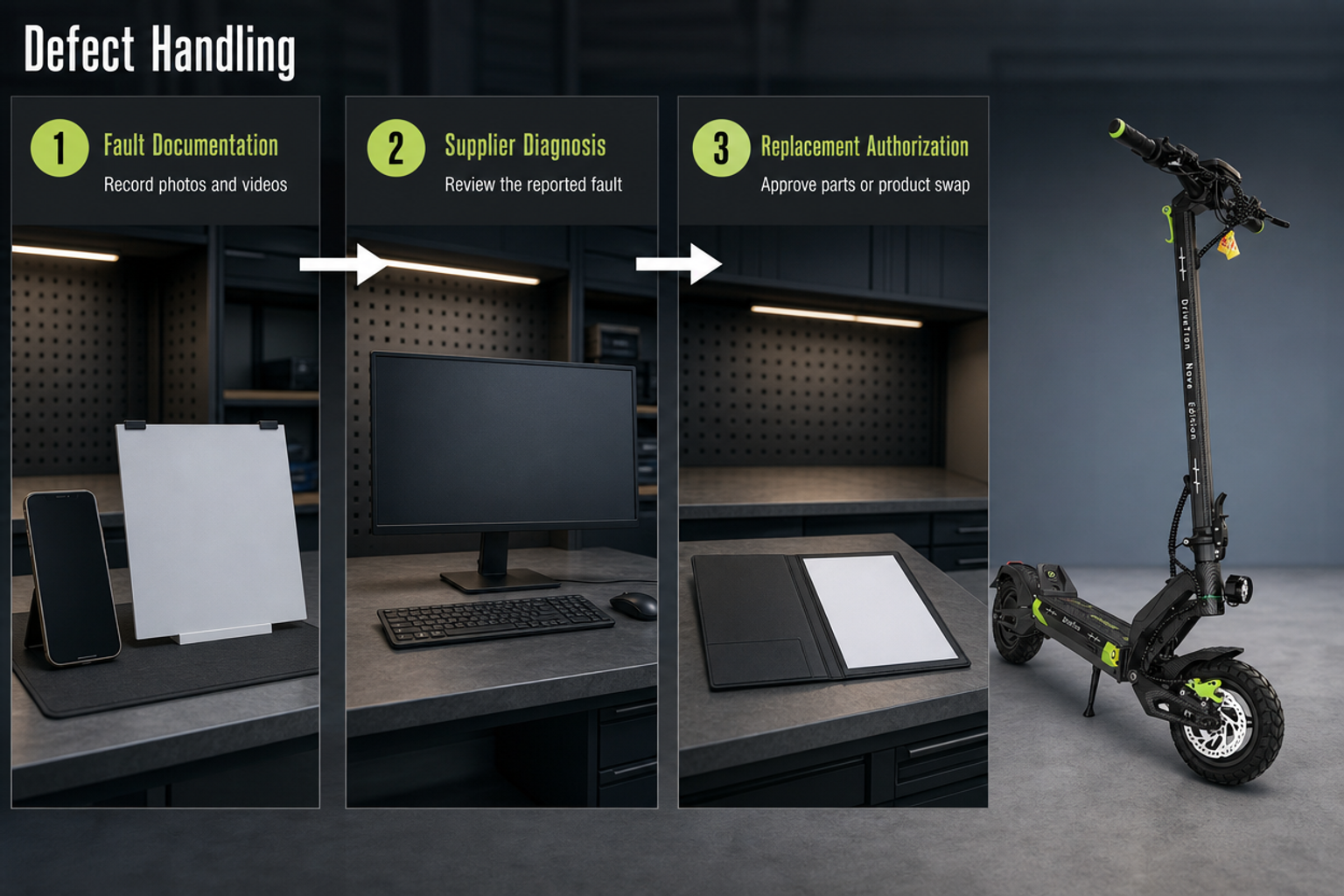
The defect handling process typically follows these steps:
- Fault Documentation: Buyers report issues with photos/videos of the defective products.
- Supplier Diagnosis: Manufacturers verify whether the fault meets warranty conditions.
- Replacement Authorization: Approved claims often result in parts shipment or product swaps, though shipping costs may vary.
Challenges in Returns Management:
- Slow turnaround times: International logistics and verification delays can frustrate end customers.
- Shipping burdens: Buyers often bear return freight costs unless explicitly waived.
- Limited fault coverage: Misuse-related faults are rarely compensated.
Dive Deeper: Efficient Defect Handling
Successfully managing defects lies in proactive communication and proper documentation:
- Always record fault origins clearly to avoid disputes with suppliers.
- Keep your own certified repair technicians to determine local fixes versus parts replacement.
- Periodically audit supplier response times and escalate cases when delays exceed agreed timelines.
How Do I Access Spare Parts and Technical Support Post-Sale?
Spare parts availability heavily influences after-sales success. Importers often source upgrades or replacements from suppliers after purchase but may face challenges like shipping delays or part compatibility.
Suppliers typically provide spare parts kits alongside bulk orders. Common kits include batteries, chargers, controllers, and basic tools. Manufacturers also offer technical guides and remote troubleshooting via digital channels.
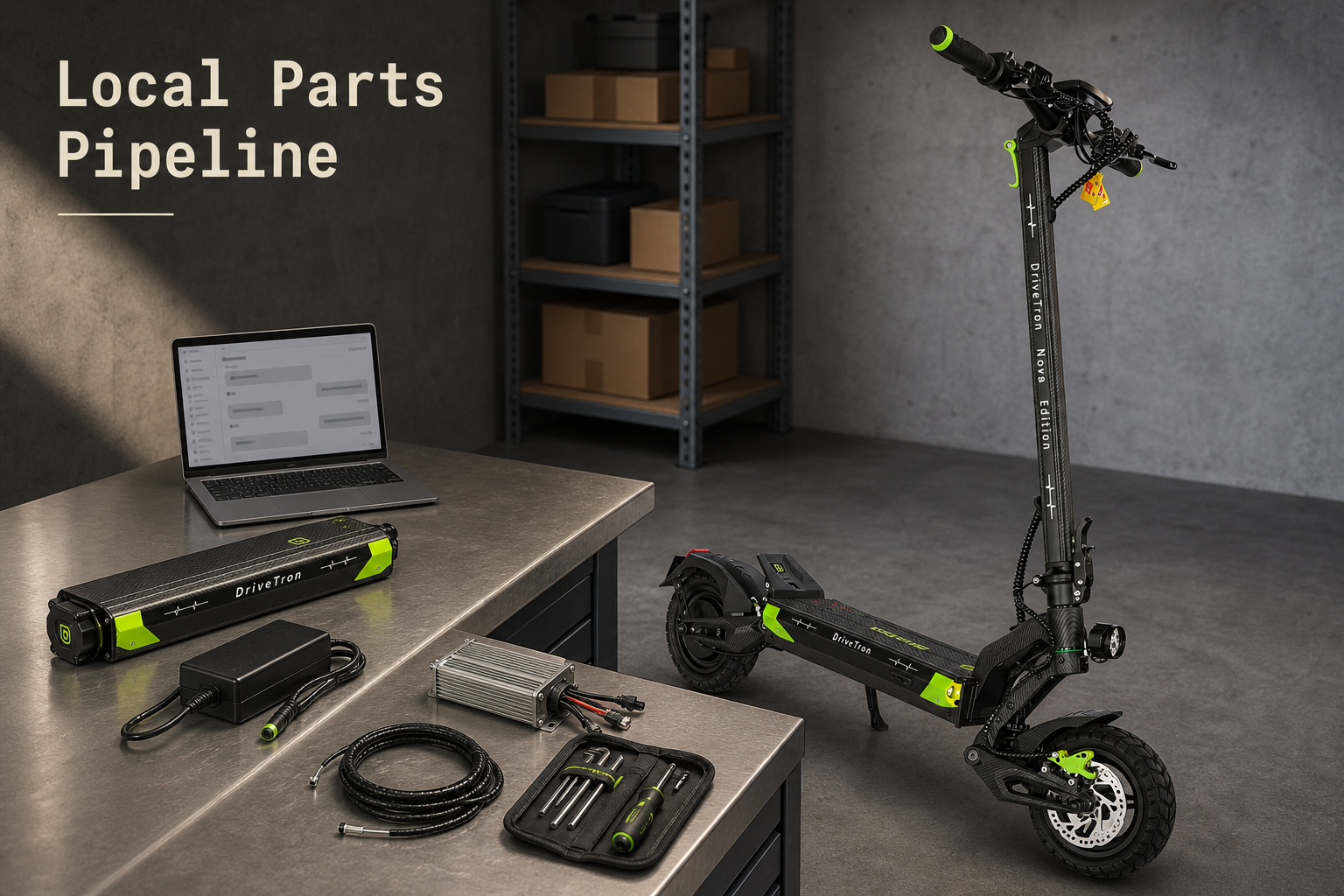
Dive Deeper: Building a Reliable Parts Pipeline
Ensuring continuous availability for high-demand spare parts involves:
- Periodic Stock Replenishments: Plan quarterly orders to avoid supply shortages.
- Vendor Communication Lines: Keep ongoing discussions with suppliers for urgent orders.
- Local Stocking Solutions: Importers should develop warehouse capabilities for critical components like batteries and motors.
Partnering with knowledgeable repair technicians further helps reduce the dependency on international shipping timelines, ensuring quicker service resolution locally.
Frequently Asked Questions
Can I negotiate extended warranties with suppliers?
Yes, most suppliers offer extended warranty options for a fee. Buyers should clarify pricing and duration specifics while negotiating terms before finalizing bulk orders.
How can I manage overseas returns efficiently?
Invest in clear processes for fault documentation, agree on cost-sharing for logistics, and use local technicians to resolve smaller issues without requiring returns.
Are spare parts always included in the initial order?
Some suppliers provide limited parts kits upfront, but buyers need to confirm which parts are included and anticipate additional costs for future orders.
What should I prioritize for post-sale technical training?
Focus on diagnostics for high-failure components like batteries and controllers. Manufacturers often provide tutorials or guides to help train local repair teams.
Is local service infrastructure necessary for small-scale importers?
Yes, even small importers benefit from establishing repair networks. It ensures quicker fixes and builds customer trust compared to relying solely on remote supplier support.
Conclusion
When sourcing electric scooters from China, after-sales service typically includes spare parts kits, warranty coverage, and technical support. However, addressing limitations like defect management delays or incomplete local servicing requires importers to build robust local repair networks. Successful partnerships with suppliers rely on proactive planning, clear written agreements, and consistent communication.
If you’re ready to navigate this process effectively, I can help you evaluate Chinese suppliers and design a reliable local support framework. Let’s ensure your after-sales system delivers for your customers.
Leave a Reply