
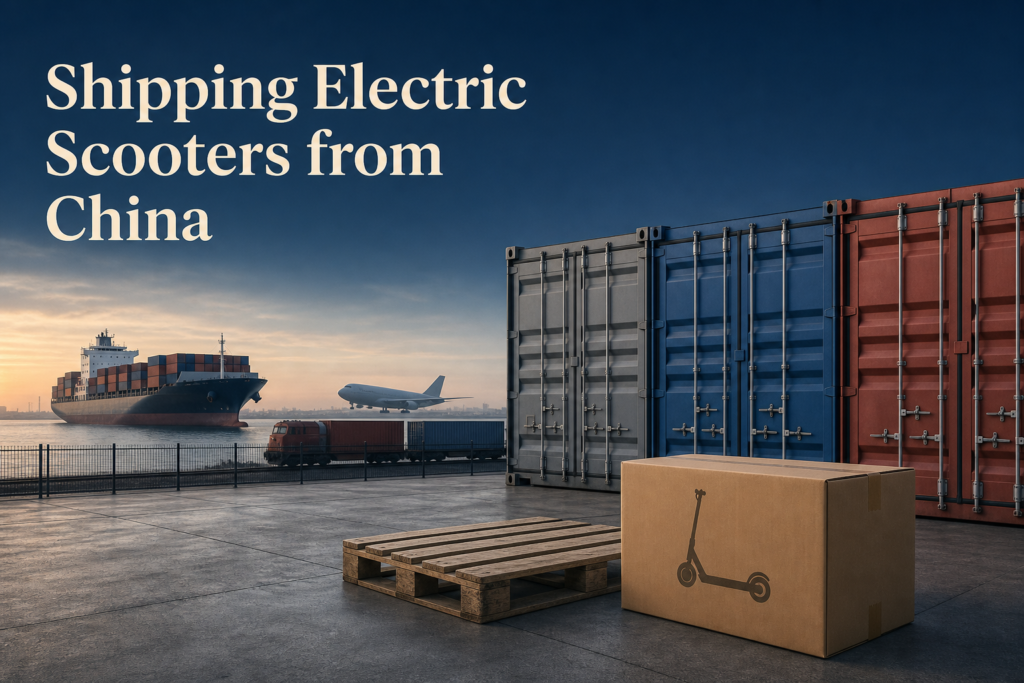
Shipping electric scooters from China can be tricky. The process involves more than comparing costs between air, sea, or rail freight. These scooters typically use lithium batteries, which are classified as hazardous materials. Transporting them requires strict compliance with international regulations. Let’s break down everything you need to know to avoid risks, reduce costs, and make informed shipping decisions.
Electric scooters are transported from China through three main methods: air freight, sea freight, and rail freight. Air freight is fastest but expensive; sea freight balances cost and volume; rail freight offers regional advantages. For scooters, compliance with lithium battery shipping regulations like MSDS and UN38.3 documents is critical.
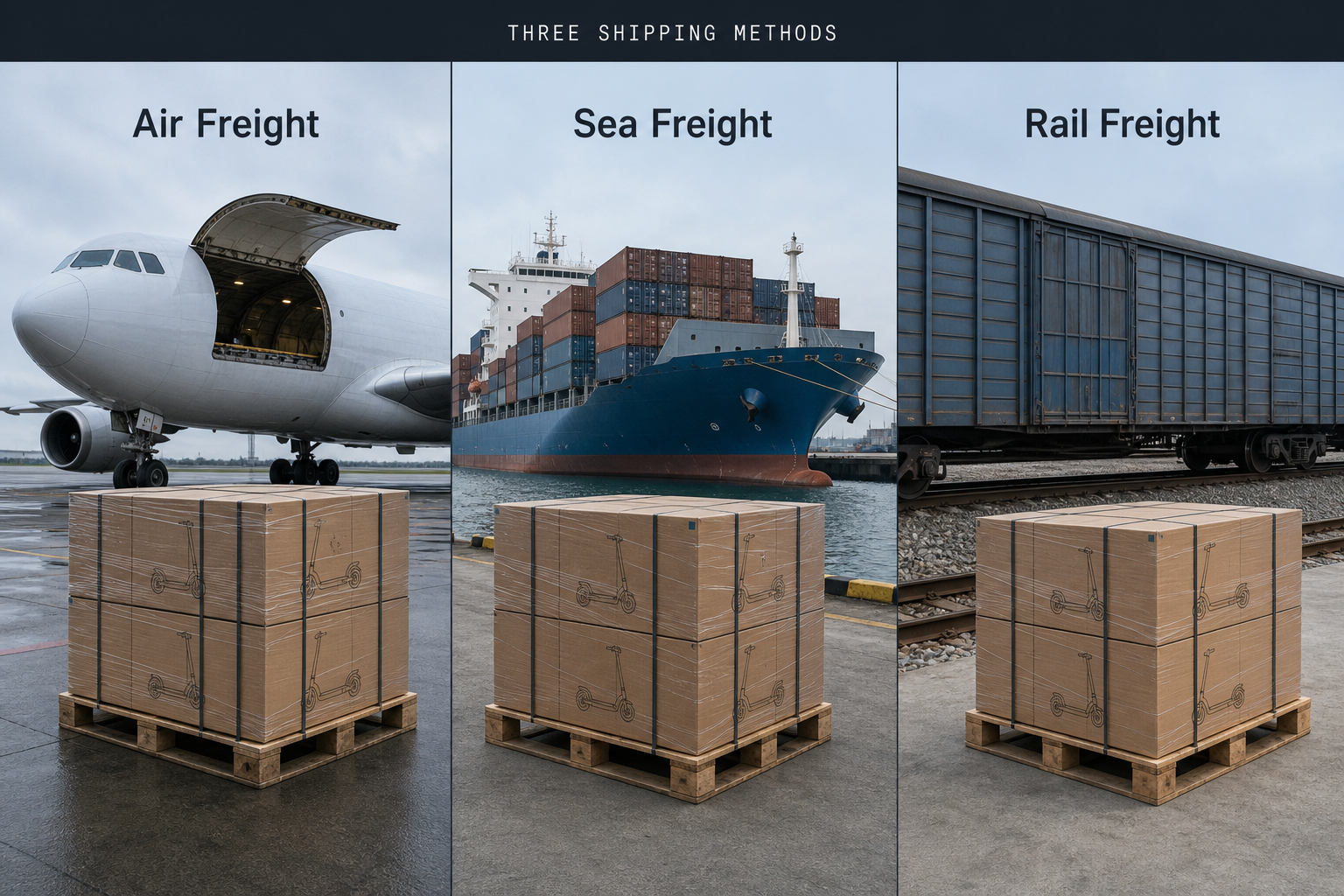
Shipping these products involves several layers of decision-making, including transportation speed, cost efficiency, compliance documentation, and regional regulations. Let’s dive into each transport method and how you should choose the right one.
What are the main shipping options for Electric Scooters from China?
Shipping electric scooters globally involves major logistical challenges. Choosing the right transportation method means balancing cost, speed, and regulatory compliance.
Electric scooters from China can be shipped via air freight, sea freight, or rail freight. Each method has advantages: air freight is fast but expensive, sea freight is cost-effective for bulk orders, and rail freight connects specific regions economically. Compliance documentation for lithium batteries is mandatory.
Air Freight:
- Pros: Fast delivery, ideal for urgent orders or small shipments.
- Cons: Expensive; stricter regulations for shipping lithium batteries. Lithium batteries require certification like UN38.3 reports, MSDS, and proper packaging to meet IATA guidelines.
Sea Freight:
- Pros: Cost-effective for bulk shipments, especially for larger importers.
- Cons: Slower shipping time (typically 20–40 days). You’ll need a Lithium Battery Sea Transport Identification document. Customs clearance delays sometimes affect timelines.
Rail Freight:
- Pros: Cheaper than air freight but faster than sea freight; efficient for regions connected via China-Europe rail routes.
- Cons: Limited geographic options. Compliance requirements are similar to sea freight but with fewer carriers trained to handle hazardous goods.
How do I decide between air, sea, and rail freight for my orders?
Choosing between shipping methods isn’t just about cost and speed. Compliance with lithium battery regulations and avoiding unnecessary risks should heavily influence your decision.
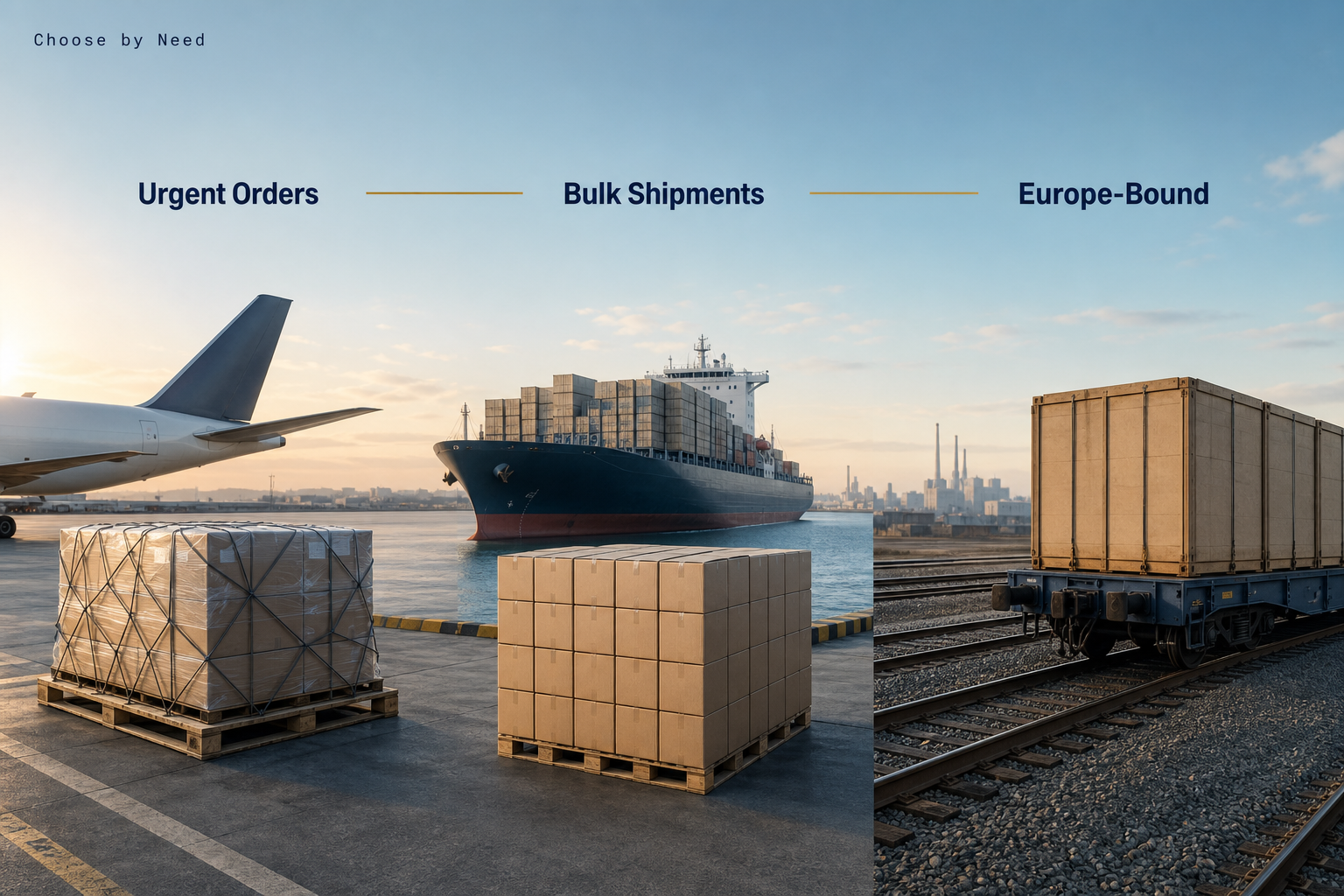
For small or urgent shipments, air freight works best. But it still depends on countries as many countries don't have air shipping for bulk as an option. For large volumes, sea freight balances cost efficiency. Rail freight excels for Europe-bound goods but requires strategic planning. Factor in battery compliance, documentation, and customs clearance risks when deciding.
Navigating Compliance Needs
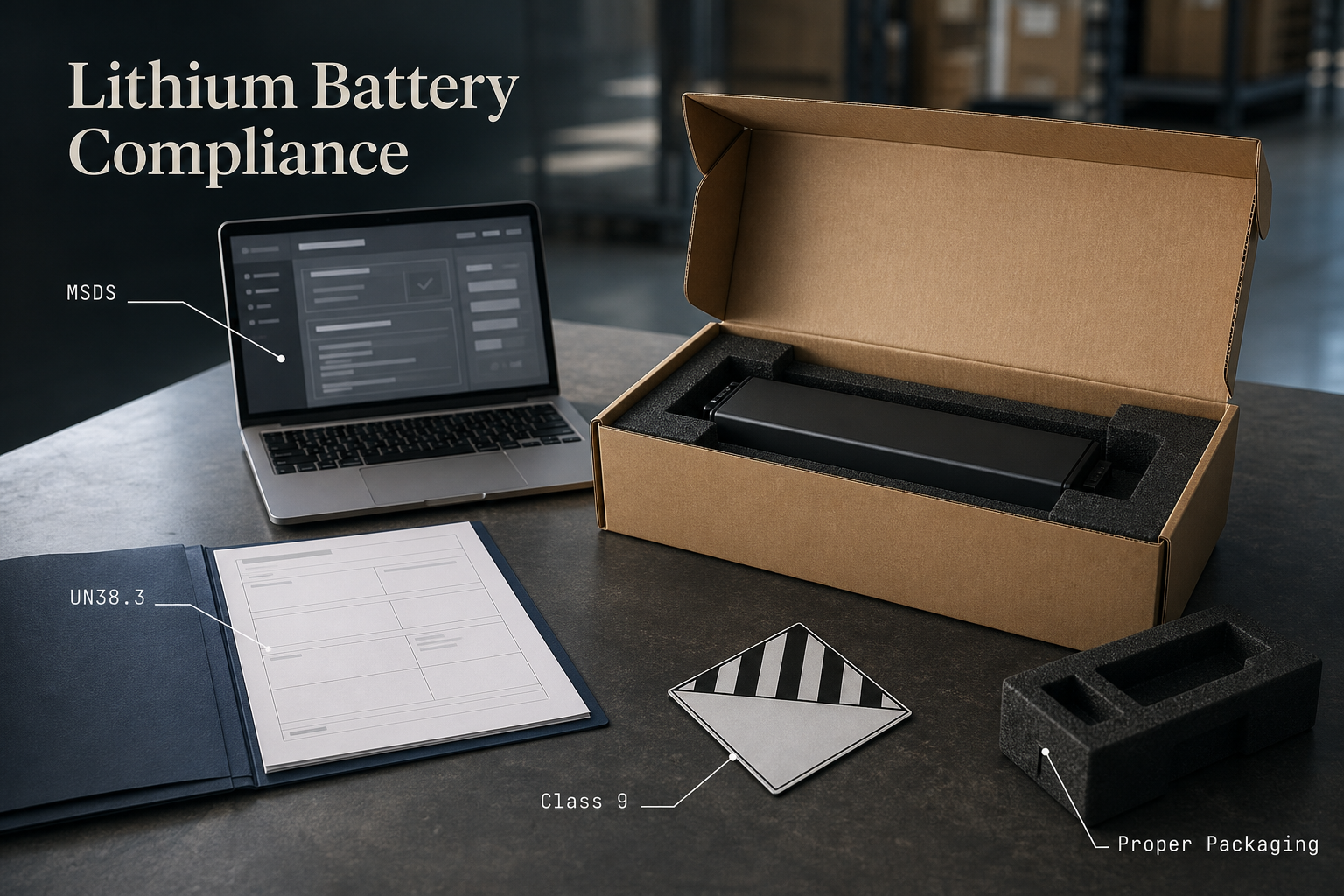
Lithium batteries are categorized as Class 9 Dangerous Goods, which makes their transportation subject to strict scrutiny. Neglecting compliance documentation, such as the UN38.3 test reports, MSDS (Material Safety Data Sheet), or the Sea Transport Identification document, can result in rejections, fines, or returned shipments.
Customer Decision Scenarios
- Case Study 1: A distributor in the EU needed scooters urgently for a fall launch. Instead of budgeting for air freight with safe lithium battery packaging, they opted for rail but underestimated certification requirements. Customs delayed the shipment by 15 days, impacting sales timelines.
- Case Study 2: One of my customers in Latin America preferred bulk shipments via sea to reduce costs. However, incorrect labeling and packaging of lithium batteries triggered customs red flags, and they had to pay storage fees while waiting weeks for corrections.
Quick Tips for Selection:
- Use air freight for time-sensitive orders ≤10 units if you can absorb higher costs per unit.
- Ship via sea for volume orders >100 units where cost outweighs speed.
- Consider rail freight for European delivery, ensuring the company is certified to handle lithium batteries.
What factors should I consider when selecting a transportation method?
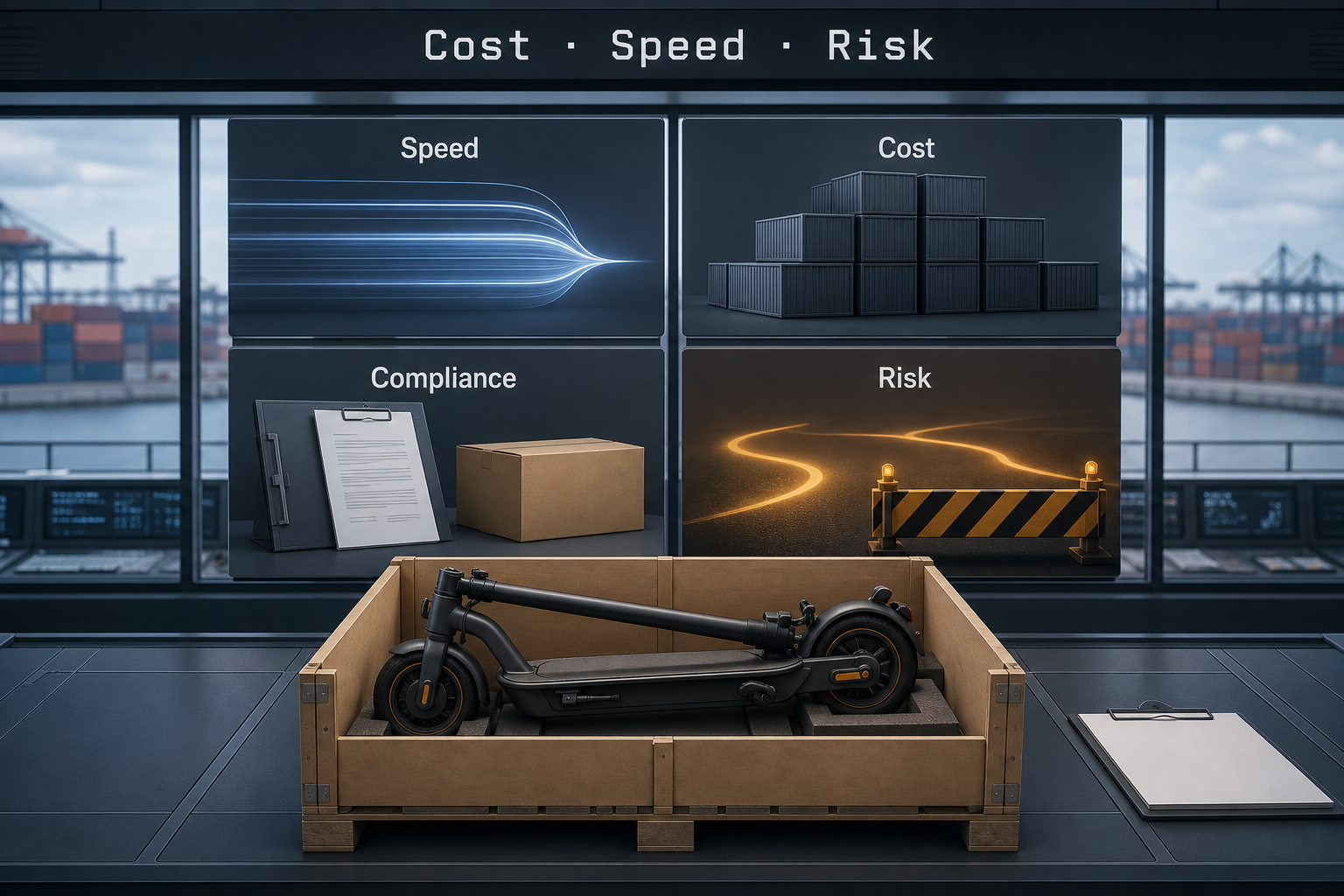
Shipping lithium-ion-powered scooters is not as simple as choosing the cheapest or fastest method. There are critical factors importers need to account for to avoid risks.
Key factors include compliance with lithium battery regulations, volume of your order, target market destination, shipment costs, and logistical risks. Always verify shipping times, potential delays, and the quality of your logistics partner.
Compliance Challenges
Lithium batteries require safety testing under UN38.3 Certification and packaging standards. Without these, shipments can be flagged and returned by customs authorities. For sea freight, dangerous goods declarations (DGD) and labels for Class 9 hazardous products are essential.
Cost vs. Risk Tradeoffs
- Air Freight: High shipping fees per unit but lower insurance risk for hazardous goods.
- Sea Freight: Economical for bulk shipments; higher customs risk due to sensitive documentation required for lithium batteries.
- Rail Freight: Suitable for intermediate costs and timelines, provided railway hubs align with your distribution channels.
Estimating Shipping Costs & Times
For a 40HQ container, it is around 5000-10000 usd depending on different countries and ports.
Frequently Asked Questions
How are lithium batteries transported legally?
Lithium batteries require certifications like UN38.3, MSDS, and proper labeling as dangerous goods under Class 9. Compliance documents should be provided by your supplier and verified before shipping.
Which shipping method is best for small electric scooter businesses?
For small businesses prioritizing speed, air freight is best despite the cost. If you plan bulk distributions to minimize costs, sea freight makes more sense.
Are delays common in transporting lithium batteries overseas?
Yes, due to strict regulations, shipment delays for lithium batteries can happen during customs inspections, especially if certifications or packaging are incorrect.
Conclusion
Choosing the right transportation method for electric scooters from China depends on your specific needs for cost, speed, and compliance. Air freight suits urgent deliveries; sea freight balances efficiency for bulk orders; and rail freight works for targeted regions at intermediate costs. Shipping scooters with lithium batteries requires meticulous planning to meet compliance regulations like UN38.3 and MSDS. Neglecting these can lead to delays, fines, and increased risks.
Need help ensuring compliance for your shipments? Reach out to us for expert OEM/ODM logistics support to streamline your import process!
Leave a Reply