
Sourcing electric scooters from China has become a common approach for overseas brand owners and importers looking to capitalize on competitive pricing and high-performance models. However, beneath the surface lies a complex web of potential risks that can derail profits, damage reputation, and disrupt operations. From quality control challenges to compliance pitfalls, every decision matters. Let’s examine the most critical risks—and how you can mitigate them effectively.
What specific risks should I pay attention to when purchasing Electric Scooters from China?
When sourcing electric scooters from China, buyers should watch for quality control issues, shipment delays, legal non-compliance, and payment disputes. Conducting supplier audits, validating certifications like UL 2272 and EN 17128, setting clear contract terms, and working with reliable logistics partners can significantly reduce risks.
Navigating these challenges starts with understanding how each risk affects your business and how proactive measures can mitigate them. Below, I’ll detail common issues and the actionable steps you can take to safeguard your investment.
What Quality Control Issues Are Most Common With Electric Scooters from China?
One of the most reported challenges is inconsistency in manufacturing quality. Electric scooters combine electronic control systems, lithium-ion batteries, and mechanical engineering—all of which need to operate harmoniously. A lack of robust quality control at the source can lead to defects in these critical areas.
What should I watch out for in quality control?
Common issues include battery instability, substandard braking systems, poor motor control, or frame durability problems. To mitigate these risks, implement factory audits, inspect prototypes, and request a detailed Bill of Materials (BOM).
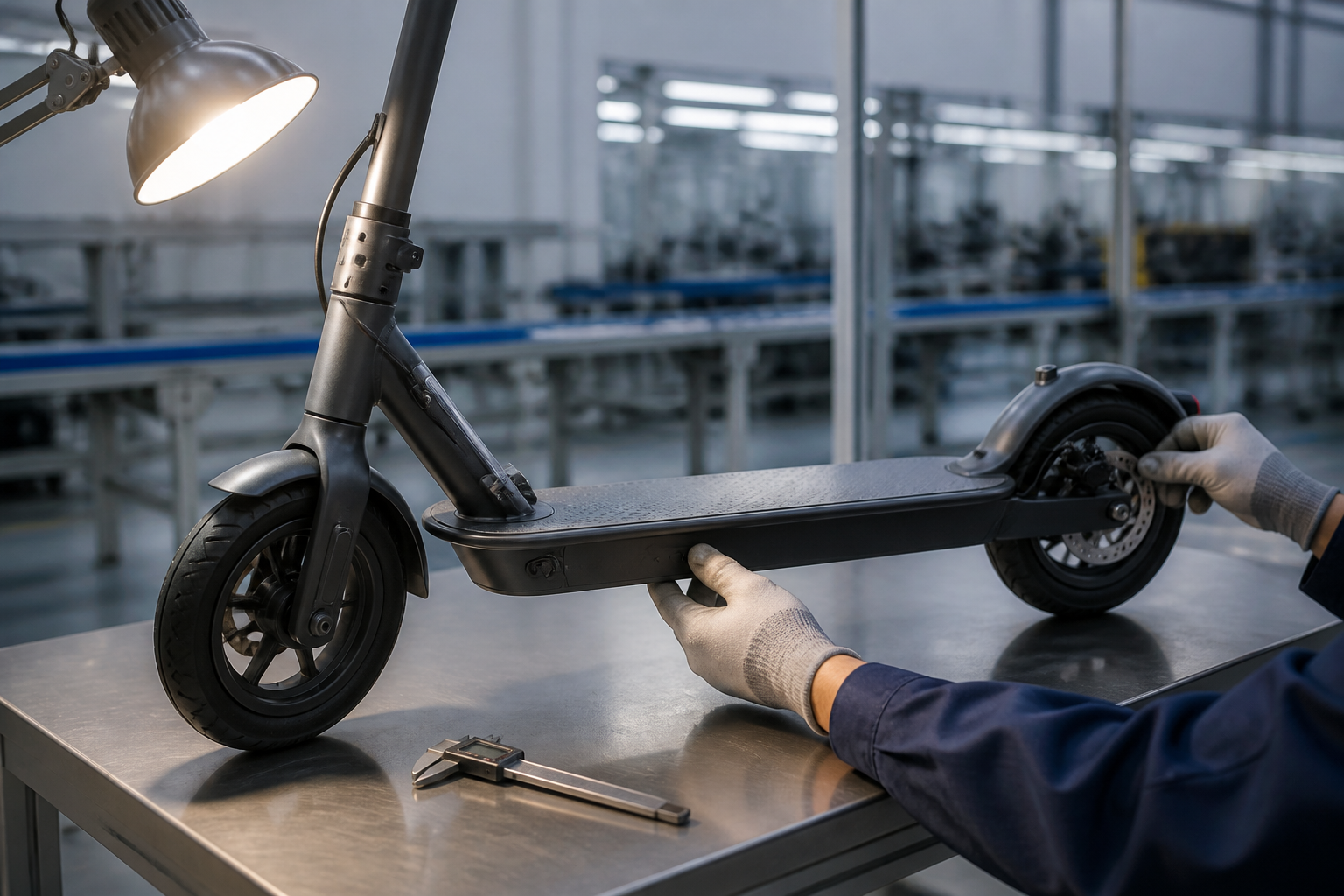
Dive Deeper: Addressing Quality Risks
When dealing with high-performance electric scooters, one of the biggest risks is battery failure. For example, we once encountered a situation where a client received a batch of scooters that were prone to overheating due to poor battery insulation. This could only be identified through detailed inspections and factory visits, which many buyers skip to save costs.
Here’s how to ensure better quality control:
- Third-party inspections: Work with independent testing agencies that specialize in evaluating electric vehicle components.
- Certifications verification: Insist on global standards like UL 2272 (North America) or EN 17128 (Europe) to ensure product safety.
- Stress testing: Check whether the manufacturer conducts durability tests such as load-bearing or vibration simulations.
Of course, clearly defining performance requirements upfront—like speed, range, and weight capacity—is equally important.
How Can I Mitigate the Risk of Delayed Shipments or Delivery Failures?
Shipping battery-powered electric scooters comes with its own set of logistical complexities, especially when dealing with lithium-ion technology. International shipping laws surrounding hazardous materials are strict, meaning that inadequate preparation can lead to delays or penalties.
What causes shipment delays for electric scooters?
Battery-related customs regulations, incorrect shipping labels, and poor logistics coordination often trigger delays. Partnering with logistics experts who are familiar with electric scooter shipments can streamline the process.
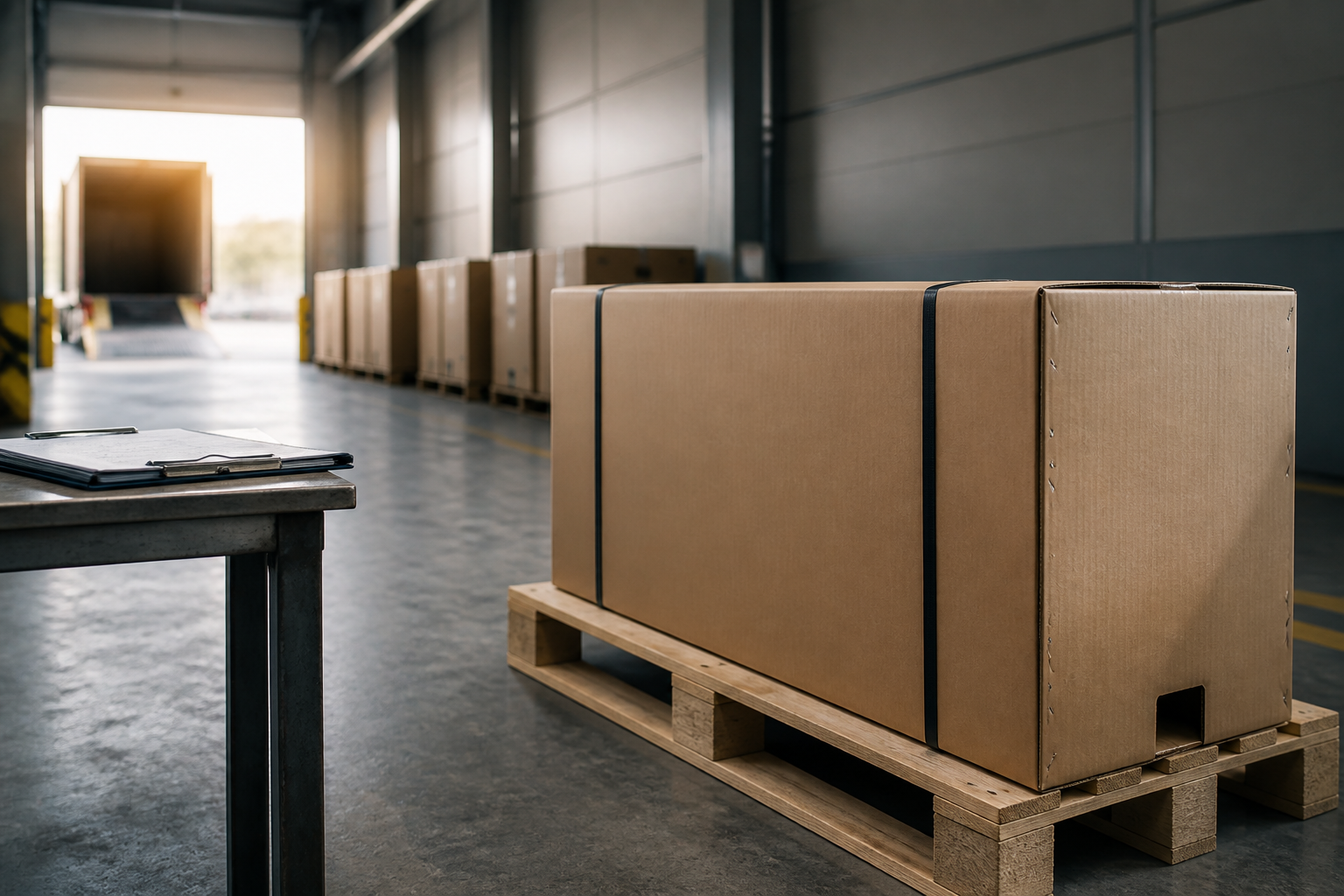
Dive Deeper: Resolving Shipping Challenges
I recall working with a distributor who underestimated the importance of Dangerous Goods (DG) certification for lithium battery shipments. Customs blocked the shipment for weeks due to missing paperwork. While this was eventually resolved, the losses were significant.
Here’s how you can avoid similar scenarios:
- Understand local regulations: Research DG shipping requirements in your target market.
- Packaging compliance: Ensure manufacturers use standardized battery packaging for protection.
- Reliable shipping partners: Collaborate with freight forwarders experienced in handling battery-powered products across borders.
Also, always factor in buffer time for customs clearance, especially during peak shipping seasons or in regions notorious for tight restrictions.
What Legal or Compliance Risks Should I Be Aware Of?
Compliance risks primarily stem from safety certification gaps and off-the-shelf designs that fail to meet region-specific standards. A single overlooked document can result in legal penalties, inability to clear customs, or customer safety risks—all of which undermine your business credibility.
What compliance issues should concern me?
Without certifications like UL 2272 or EN 17128, scooters can face customs rejection or lawsuits over safety violations. Verify that suppliers meet both manufacturing and legal safety standards relevant to your market.
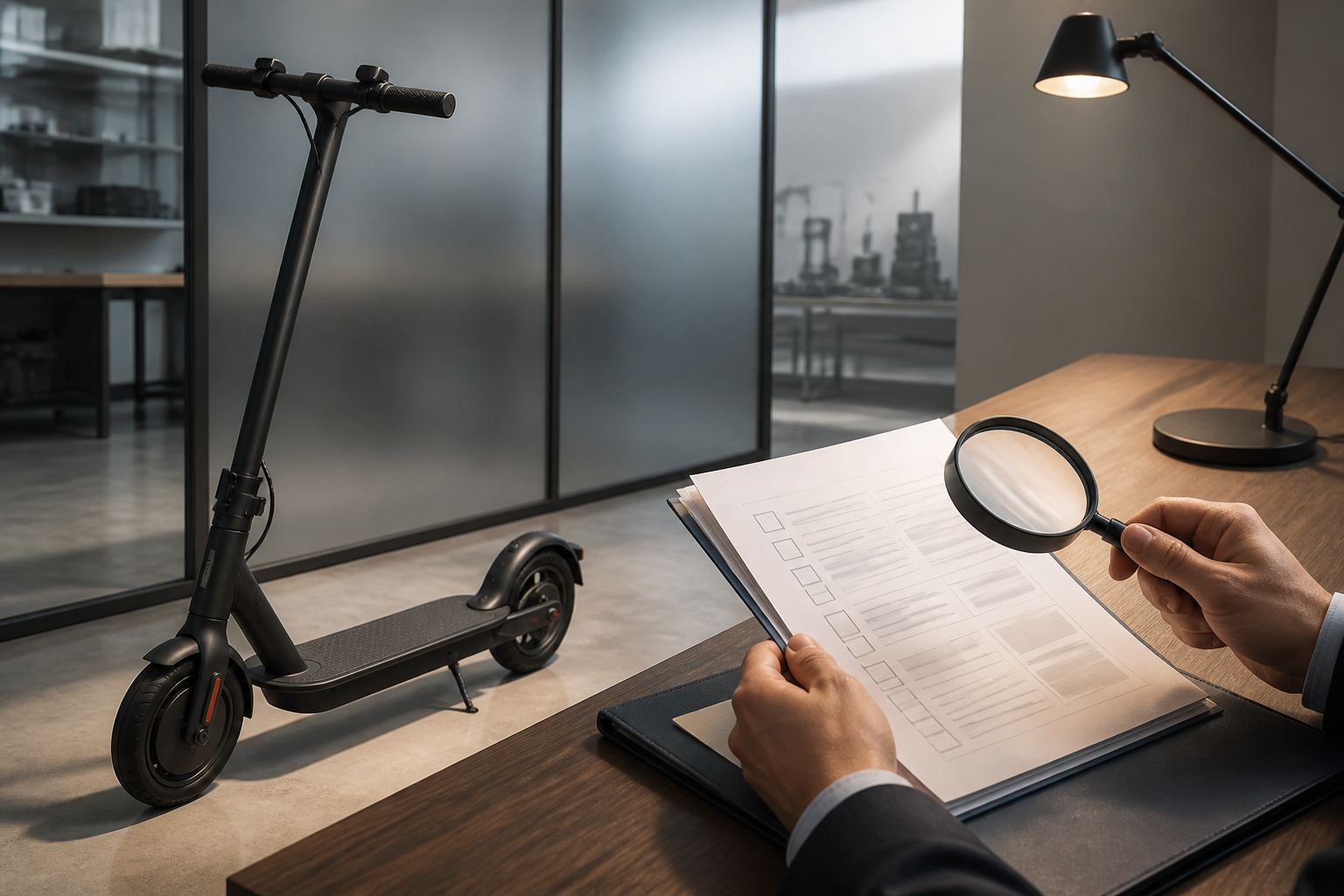
Dive Deeper: Staying Ahead of Legal Risks
In one particular case, a customer from Europe planned a major launch for an imported scooter line, only to halt operations when local regulators flagged products for missing CE markings. The fallout resulted in delayed sales and a dented reputation.
To avoid similar issues:
- Certifications cross-checking: Request digital and physical copies of all certifications like CE, UL 2272, and RoHS for verification.
- Safety audits: Hire auditors who specialize in electric vehicle compliance to confirm standards during pre-shipment inspections.
- Contract clauses: Include provisions in supplier agreements holding them accountable for missing certifications.
Investing in compliance safeguards upfront can save you costly corrections later.
How Do I Protect My Business from Payment and Contract Risks?
One of the silent risks in international procurement is inconsistent contract execution—ranging from vague payment terms to force majeure events impacting production timelines.
What payment and contract risks exist?
Disputes around payment schedules, product warranties, and intellectual property are common. Locking in clear counterparty obligations and proportional payment arrangements can shield buyers.

Dive Deeper: Structuring Defensible Contracts
We once advised a brand owner to switch from full prepayments to a split payment model after they lost capital to a non-performing supplier. That client’s recovery was challenging since there had been no legally binding contract to fall back on.
To avoid similar pitfalls:
- Proportional payment terms: Negotiate a 30/70 payment split—30% upfront and 70% post-inspection—to reduce exposure.
- Warranty clauses: Specify coverage for defects and deviations from agreed specifications.
- Dispute resolution frameworks: Include mediation clauses to resolve miscommunication neutrally if conflicts arise.
Also, keep copies of all communication and versioned contracts for reference during disputes.
Frequently Asked Questions
What are the most important certifications for electric scooters?
UL 2272 (for North America) and EN 17128 (for Europe) are major certifications ensuring safety standards for lithium batteries, motor drives, and overall design. Additional certifications, such as RoHS, verify environmental compliance.
How can I identify reliable suppliers in China?
Assess suppliers by their track record with OEM customers, factory certifications, product test reports, and whether they openly offer third-party audits. Partnering with manufacturers who use private molds often indicates higher dedication to differentiation.
Are low-cost Chinese scooters worth the risk?
While cost savings are tempting, low-cost scooters often compromise on durability, battery safety, and compliance certifications. Work with mid-tier or premium suppliers for a balance between affordability and performance reliability.
What is the best way to ship electric scooters internationally?
Use freight forwarders experienced in electric vehicle logistics and ensure lithium batteries are packaged according to Dangerous Goods (DG) regulations. Factor in customs lead times and compliance documentation.
Conclusion
Purchasing electric scooters from China presents considerable opportunities but comes with critical risks in quality, logistics, compliance, and contracts. By vetting suppliers thoroughly, validating certifications like UL 2272 and EN 17128, leveraging third-party audits, and securing defensible contracts, you can dramatically reduce operational headaches.
Ready to source high-performance electric scooters with confidence? Contact us today to explore customized solutions that safeguard your investment.
Leave a Reply